

Clothing Blunders Tourists Should Avoid To Blend In With Locals In Sweden
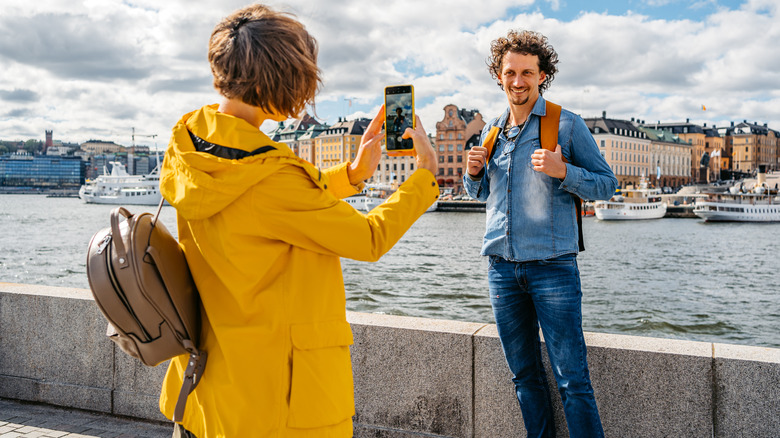
Identifying tourists is as easy as pie, mostly based on their actions and behavior. If the maps or guidebooks in their hands don't give them away, their frequency of taking photos here and there will. They might also look confused or lost. But still, one more thing that easily tells everyone you're a visitor is your choice and style of clothing. In Sweden, if you're dressed in loud, or brightly-colored fabrics, or you're not appropriately dressed for the ever-changing weather, then you'll definitely have trouble blending in with the locals — and, yes, you should be ready for a shower of awkward stares.
When it comes to fashion, the Swedes are known for their "lagom" approach, which essentially means "not too much, not too little." As such, they prefer subtle colors and practicality, hinting that loud logos or flashy patterns are rare sights among the locals. Additionally, the Swedes have a culture of dressing in layered styles, especially due to their unpredictable weather, which can change rapidly even within the same day. It could be sunny, and the next minute, the breeze is chilly.
So, in addition to their preference for muted palettes (like grey, black, tan, white, and navy blue), the Swedish locals are big on functionality when it comes to what they wear. And it's crucial that you take note of that as a tourist.
What you should know about the Swedish way of dressing
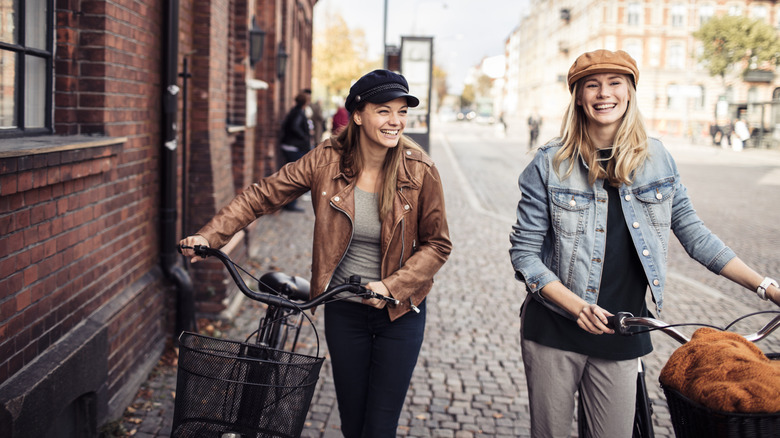
First off, trips to Europe often require certain clothing etiquette to watch out for. The Swedes, specifically, don't necessarily try too hard to look chic; rather, they mostly dress to fit into, and survive, their erratic northern climate. This means that the kinds of materials that the residents dress in are key. While tourists might wear synthetic fabrics, to trap sweat, Swedish locals would rather go for natural and breathable materials like wool, cotton, and linen, which would largely work in any weather. Likewise, they always ensure to layer their clothes, utilizing lightweight jackets, cardigans, and the like to tackle the unpredictable weather. Moreover, residents of cities like Stockholm (which is one of the world's friendliest places) or Malmö are fond of wearing more polished outfits even when casually dressed.
This is unlike tourists, who typically dress slightly too informally — walking around in gym shorts, worn-out graphic tees, flip-flops, etc. Locals instead opt for tailored jeans, fitted chinos, crisp white sneakers, button-up shirts, and fitted coats, even when they're only popping out to get groceries. Also, the Swedish population is not the "fast fashion" kind, preferring high-quality basics that last for years. Rather than relying on trendy or pop-culture-inspired pieces, the locals choose timeless, vintage, and well-made clothes.
How to pack smartly to mix in well with the Swedish locals

To avoid sticking out awkwardly as an obvious tourist during your visit to Sweden, the number one move is to avoid obnoxious colors, or clothes featuring large logos or bold slogans. Instead, opt for neutral basics such as classic black jeans, grey or white t-shirts, simple button-downs, and a well-tailored jacket. Don't forget to bring items that can layer easily too, like a waterproof jacket, a light wool sweater, and a scarf — even during summer. Since the weather is fickle, you have to be prepared, just like the locals.
As for the right footwear, clean and practical is the way to go once again. Given that many Swedes walk or cycle on a daily basis, the most common footwear is sneakers, ankle boots, and casual leather shoes. It's generally better to avoid sandals, unless it's very warm, and worn-out or overly sporty footwear unless you're on a literal hiking trail.
In case you're going to experience Sweden during winter, consider it an absolute must to put on insulated boots and thermal underlayers. As for accessories, a simple beanie is fine in winter, and sunglasses in summer. Ditch the flashy jewelry and finally, smart-casual dressing fits nicely for visits to churches, cultural venues, and upscale restaurants.