

US Citizens Can Now Visit This Beautiful South American Country Without A Visa

If Bolivia has ever crossed your mind as one of the vacation spots to be added to your bucket list, then 2026 might be your year to finally go. Thankfully, the Bolivian government has now scrapped its longtime visa rule for U.S. visitors. U.S. citizens can now come into this country for tourism or business without any visa at all. As long as you have a passport that's still valid for a minimum of six months, you're all set for up to 90 days. You no longer have to deal with embassy appointments, going through paperwork stress, or paying a $160 visa fee again.
This new policy took effect on December 1, 2025, and travelers are already buzzing about it. "I'm traveling there in February," Redditor SaltLiving2080 said via r/travel. "I was considering going to a Bolivian embassy before to get the visa, but maybe it's not worth the hassle — Bolivian embassies are hard to locate anyways." Officials in Bolivia say they're opening the doors to more visitors from around the world, especially after several years of tougher entry rules largely informed by political ideologies. Foreign Minister Fernando Aramayo noted that they want to modernize Bolivia's image by making it more welcoming and accessible.
As Aramayo told VisasNews, "There are no longer any political criteria holding back our growth or our relationship with the world." Now it's bye-bye to all those document headaches and long waits, making it easier than ever to plan your dream trip to Bolivia. You can experience the beautiful Salt Flats of Salar de Uyuni, or take a dive into the Andean and Amazonian cultures. Just like that, Bolivia has become one of top destinations U.S. citizens can travel visa-free to.
Other things worth knowing about this Bolivian visa-free policy for Americans
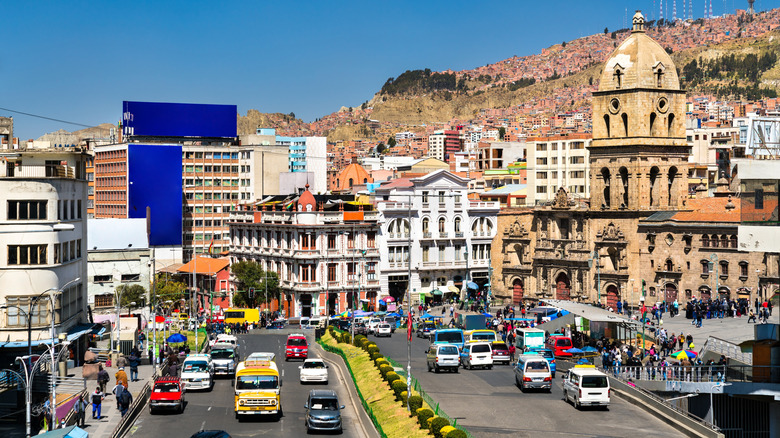
Without a doubt, this new policy is great news if you're heading to Bolivia for a vacation. However, it's very important to understand where the line is drawn: Visa-free entry into Bolivia is only applicable to tourism and business-related activities. Anything else still requires paperwork. As such, if you're thinking about studying, working, interning, volunteering long-term, or applying for residency, you'll still need to get a visa the old-fashioned way.
Bolivia is hoping these changes will bring in a wave of travelers from the U.S. and seven other affected countries such as Romania, South Africa, Bulgaria, the United Arab Emirates, Malta, Israel, and South Korea. This ultimately translates to big money for the local economy — with the possibility of generating tens of millions of dollars. Indeed, more tourists means more business opportunities for hotels, restaurants, and people working in the travel sector. And for you as a traveler, this means you're going to have more choices in terms of tour routes, and overall improvements in hotspots like Santa Cruz, and La Paz: a win-win situation.
Nonetheless, the fact that you may not need a visa doesn't mean you shouldn't make adequate preparations. It's advisable to bring along a Yellow Fever vaccination certificate in case you're planning to visit tropical regions; according to the U.S. embassy in Bolivia, it may actually be requested. It's equally wise to keep an eye on travel advisories for areas with safety concerns. If you plan well ahead and take advantage of this new visa-free policy, Bolivia's jaw-dropping scenery and rich culture are more within reach than ever. Your next trip might even be a visit to one of Brazil's secluded beaches known as Trancoso.
Getting to Bolivia and enjoying your visit there
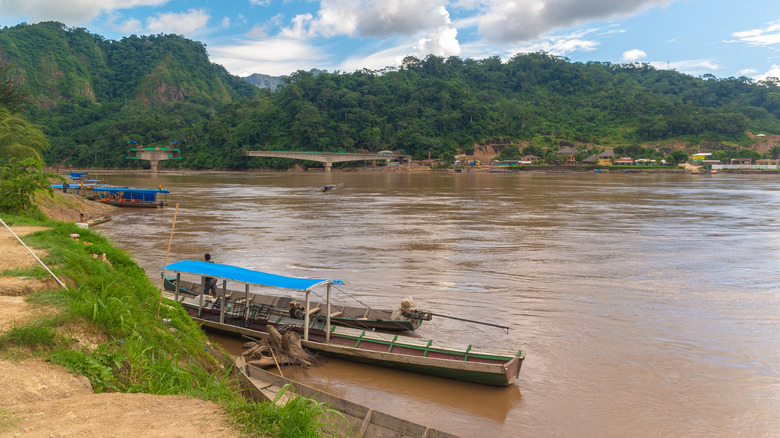
You can start off with a flight to either Santa Cruz de la Sierra or La Paz. If you're flying in from the U.S., you'll find direct flights through Miami. You may also transfer to Bolivia through major South American cities like Sao Paulo in Brazil or Buenos Aires in Argentina. Once you land, you can catch an affordable domestic flight and bounce around the country. One interesting thing about Bolivia is that its regions are so wildly different that you'll want to see more than one.
The world's biggest salt flat, Salar de Uyuni, looks almost unreal with a mirror-like effect especially when wet; the spot is also popular for stargazing. To get there, take a flight from La Paz to Uyuni (about an hour), or you could opt for a bus or drive — which will take at least seven hours. From there, you can join a tour for up to three days. For high-altitude city experience, you could even linger in La Paz for a while. The unusual Witches' Market is amazingly wild, and the city's cable cars give you sweeping and memorable views of the Andes. Lake Titicaca is another great place to visit, as it's a peaceful spot with serene villages, boat rides, and roots in Aymara and Quechua traditions.
If you want something warmer and more tropical, Santa Cruz should be your target. From there, Amboró National Park is within reach, with its cloud forests and tons of wildlife. The Madidi National Park area near Rurrenabaque is another fascinating place for a less-crowded Amazon adventure experience. Bolivia offers a lot of fun for U.S. citizens seeking to unwind in a beautiful destination.