
Is It Still Dangerous To Swim In Utah's Famously Filthy Freshwater Lake?
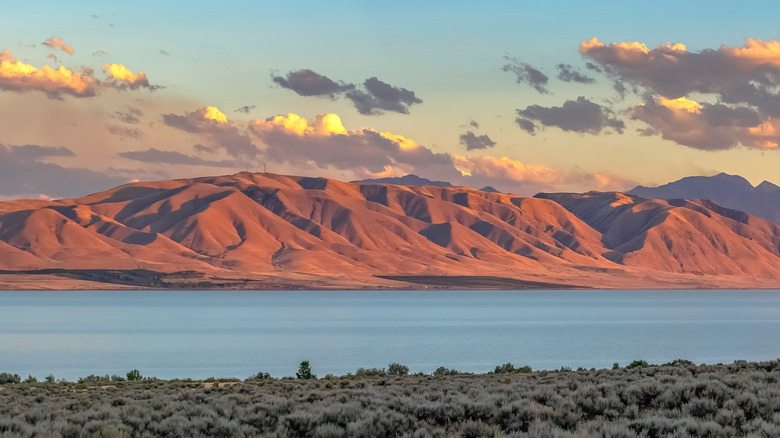
When naming some of the most beautiful lakes in America, Utah Lake would have to be at the bottom of the list. It has become widely known as one of the dirtiest lakes in America. The lake, the largest freshwater body in Utah, stretches approximately 148 square miles and it is located at the base of the Wasatch Mountains in Utah Valley. While it can still be an appealing destination for birdwatching, picnicking, and hiking, it's not a good place to swim as a result of the lake's deteriorating water quality.
Over the decades, Utah Lake has been faced with the challenge of persistent agricultural and industrial pollution that has earned it its notorious reputation today. This issue of urban runoff and other pollution has gradually led to the poor quality of water. The most concerning problem is the recurring outbreak of harmful algae blooms (HABs) that have found a home in the shallow and nutrient-filled waters of Utah Lake. The presence of algal blooms alters the color of the water, turning it green and murky. On top of that, it releases toxins that can be dangerous to both humans and pets, causing health problems like rashes, vomiting, diarrhea, and even severe effects like skin cancer or death. So, if you're wondering whether you should swim in this lake, the simple and safe answer is "no."
What the latest warnings say about swimming at Utah Lake
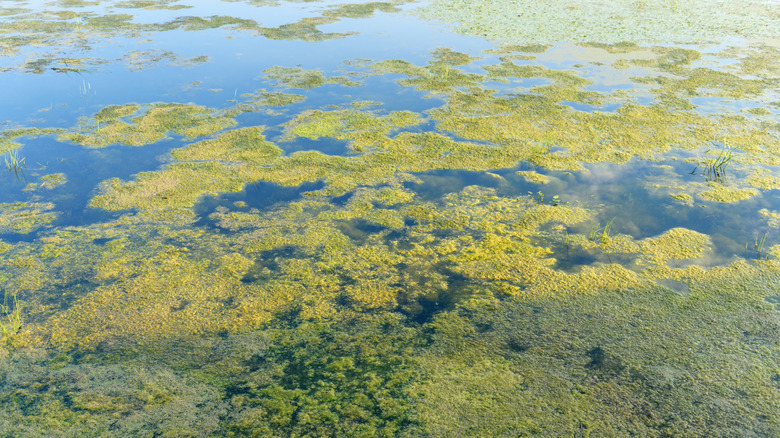
As of 2025, state officials have continued to issue occasional warnings regarding safety at Utah Lake. The Utah Department of Environmental Quality has been providing a monitoring update to inform visitors of e.coli risks and harmful algal bloom conditions. The most recent update (October 20, 2025) confirms that the lake is still not safe for swimming. Specifically, the Utah Department of Environmental Quality notes that "A harmful algal bloom is present lakewide at Utah Lake. Algae in the water may be producing dangerous toxins that can make humans and animals sick." As of November 1, the monitoring has been suspended until June/July 2026 but visitors are still advised to take caution and stay educated via the Utah Department of Environmental Quality website.
The Utah Lake Authority, local health departments, and the state's Division of Water Quality (DWQ) have been working together to manage the recurring situation in a bid to protect the public for years. This monitoring helps to detect blooms early enough to issue health advisories. Algae blooms on Utah Lake happen throughout the year, but they are most common in the peak of summer and early fall: The warm, sunny weather contributes to the multiplication of the algae. Even when lake water is considered clean, travelers swimming in freshwater should be mindful of some hidden dangers.
How you can enjoy your Utah Lake visit safely
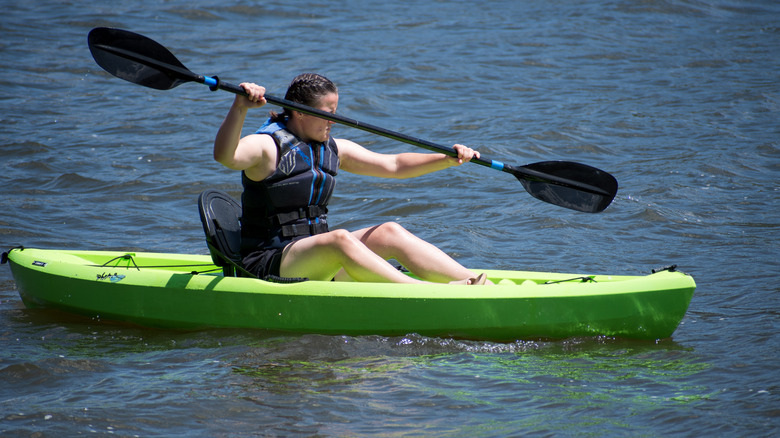
Given the algae problem always bedeviling the water, the best thing you can do if you're visiting Utah Lake is avoid swimming at all. However, if you choose to do it anyway, keep yourself updated through official websites ahead of your trip. One of the places you can find up-to-date information is the Utah Lake Authority website. Should the lake be under warning, stay away from swimming, wading, skiing, or letting your pets near the water. Even when advisories are lifted (likely during cooler months when there's less algae growth), you should still shower afterwards. Drinking the water should always be avoided under any circumstances.
Since swimming isn't the only possible thing to do at Utah Lake, you can definitely still enjoy a trip. Home to more than 200 species of bird, like American white pelicans and double-crested cormorants, this lake is an amazing destination for birdwatching. Boating, fishing, and picnicking are some other options. While fishing is permitted for people with a fishing license, make sure to thoroughly clean and cook them to avoid algae contamination. Ultimately, the best way to stay safe is to exercise caution while making sure to stay informed. Here are some other U.S. lakes where swimming is best avoided.