

This Popular European Country Is Being Plagued By Overtourism, According To Travelers
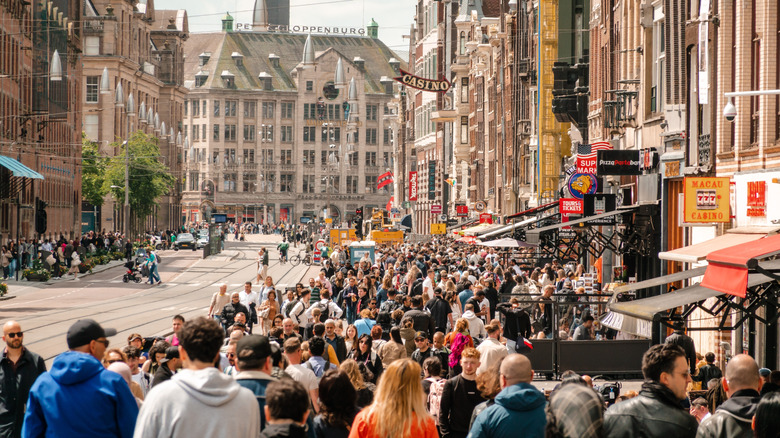
Overtourism is a problem for popular tourist destinations around the world. While tourism seems benign on the surface, the sheer number of visitors can overwhelm locations that don't have the infrastructure to support the crowds. For many years, this was mostly a problem that affected more remote, secluded destinations, but over the last few years, tourism has become unsustainable even in larger, more developed spots in Europe and around the world. Large cities like Barcelona, Rome, Paris, and Prague have struggled to cope with visitor numbers, and governments have come up with a variety of bold plans to combat overtourism. In Venice, tourists staying overnight have to pay a surcharge, while other countries have tried banning short-term rentals. Some places have tried more positive approaches, with Berlin offering incentives for sustainable tourists and Switzerland investing in transport to spread tourists more evenly around the country.
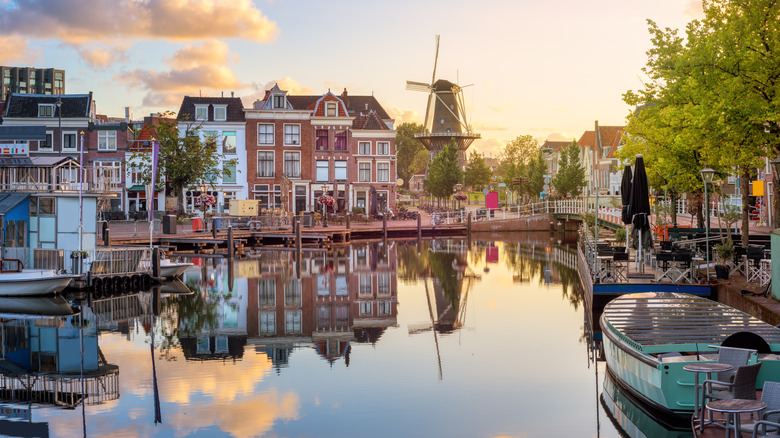
Amsterdam, the vibrant capital city of the Netherlands, is an extremely popular European destination. A day trip to Amsterdam is one of the best things to do on a European travel itinerary, thanks to its picturesque canals, stunning architecture, buzzing nightlife, and gorgeous tulip fields. However, the city has struggled for years to find the right balance between the positives and negatives of tourism, and the last few years have seen an uptick in numbers that has left residents unhappy. In previous years, travelers looking to escape the crowds could get out of the city and visit spots like Delft, the charming and idyllic mini-Amsterdam between Rotterdam and The Hague. But as Amsterdam's popularity has grown, the rest of the country has felt the effects, and travelers say that much of the Netherlands is now experiencing similar problems with overtourism.
A problem in Amsterdam and beyond
According to both tourists and locals, Amsterdam is experiencing a record high of tourists, and some of the results are shocking. Locals describe how the city has changed significantly. "Even 10-15 years ago the city felt different ... much less like an open air tourist attraction" said one Redditor, who has lived there for at least 40 years. And it's not just the local residents who notice. Tourists mention how plenty of fellow travelers treat certain attractions with disrespect. "I was shocked by the amount of people blocking the sidewalk just to take a photo in front of [the Anne Frank house]," wrote u/bonnielyz. "Not to mention the absolute disrespect to pose with a big, happy smile in front of a holocaust memorial."
The city of Amsterdam is no stranger to badly-behaved tourists, as it has been a popular destination for sports tours and bachelor parties for years. But the levels of overcrowding seem to be reaching a tipping point, and the rest of the Netherlands is now feeling the effects. "The tulip fields in the Bollenstreek (region of the Keukenhof) are trampled upon by tourists in the spring," said u/Smiling_Tree. The town of Volendam, known for its quaint, colorful wooden houses, was once an ideal escape from the hustle and bustle of Amsterdam, but has been somewhat overrun by coach tours, with traditional shops replaced by tacky souvenir stores. The canals of Giethoorn, a delightful car-free village, sometimes feel more like part of a theme park than somewhere people actually live and work, due to inconsiderate visitors.
Some residents in Amsterdam are taking extreme measures to show their anger by suing the local council for failing to take appropriate action to mitigate the negative effects of overtourism. But given that Amsterdam has already implemented a tourist tax, as well as a wide-ranging campaign discouraging bad behavior, drunkenness, drug-taking, and sex tourism, it is hard to know what more the city can do.
What can visitors to the Netherlands do?
Tourists are an important part of most countries' economies, and the Netherlands is no exception. When faced with problems caused by overtourism, governments are often caught between wanting to improve the quality of life for their residents while also not losing the benefits that tourism brings. As a result, tourists themselves have a responsibility to mitigate overtourism issues by traveling sustainably and responsibly. This can mean a wide variety of things, from shopping and eating in local, independent stores and restaurants, to behaving considerately, politely, and thoughtfully while abroad.
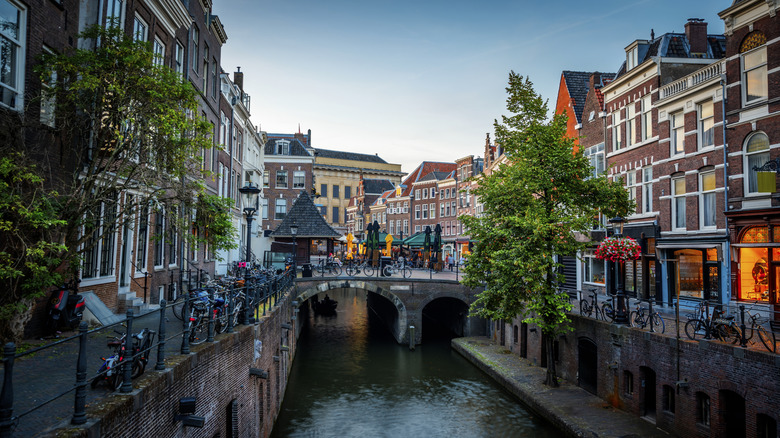
If Amsterdam is struggling with too many visitors, then perhaps it is worth investigating other Dutch cities to discover the less-visited spots. They might not be as Insta-famous, but places like Rotterdam, Leiden, Utrecht, and Groningen are fascinating and well worth visiting. They will benefit from tourist dollars, and you'll be able to explore new places without having to deal with crowds of other tourists. And if Amsterdam is a must, then consider visiting outside of peak season, when there are fewer other travelers. No matter where you go, be respectful of the people and things around you.
If you choose to go to smaller communities in the Netherlands, remember that they are primarily places where people live, and not tourist attractions — though people live in tourist attractions too. If you wouldn't want someone peering through your window or posing for photographs in your front yard, then the residents probably won't either!