

The Picturesque Paris Neighborhood That Becomes Dangerous For Tourists After Dark
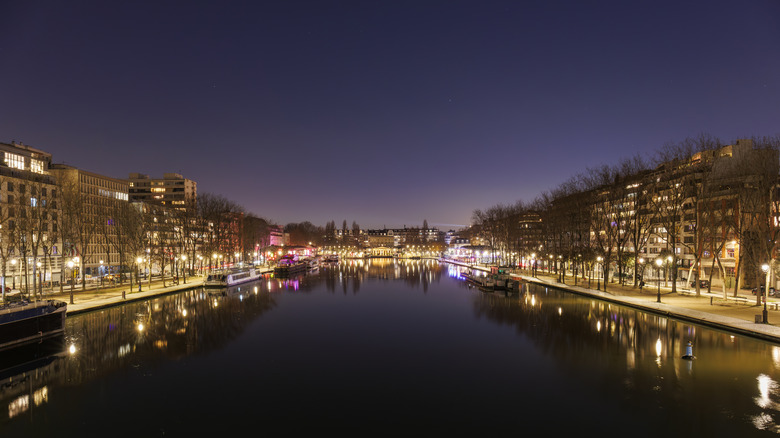
Just a short ride from Paris' major airports, the city's 19th arrondissement pulses with artsy energy, scenic parks, and hidden gems. But after dark, the neighborhood may become dangerous for visitors. Travelers usually fly into Charles de Gaulle (CDG), about 15 miles northeast of central Paris, or Orly Airport to the south — both well-connected to the Métro, RER, and bus networks. A more scenic and convenient option is a Métro or RER ride from Charles de Gaulle. The RER B train runs directly to Gare du Nord in about 30 minutes, where you can connect to the Métro for the 19th arrondissement. Tickets cost around $15.
Once in the arrondissement, visitors can stroll through the Parc des Buttes-Chaumont — a must-see green space perched on a rocky hill, offering sweeping views and a peaceful escape from crowds. Nearby, the Cité des Sciences et de l'Industrie offers scientific and cultural depth as well as architectural charm. With its mix of museums, parks, and vibrant street life, the 19th by day feels like a breath of fresh, creative air, full of some unforgettable Parisian views — but that doesn't mean you should let your guard down once the sun sets.
Some pockets in the 19th call for increased vigilance after dark
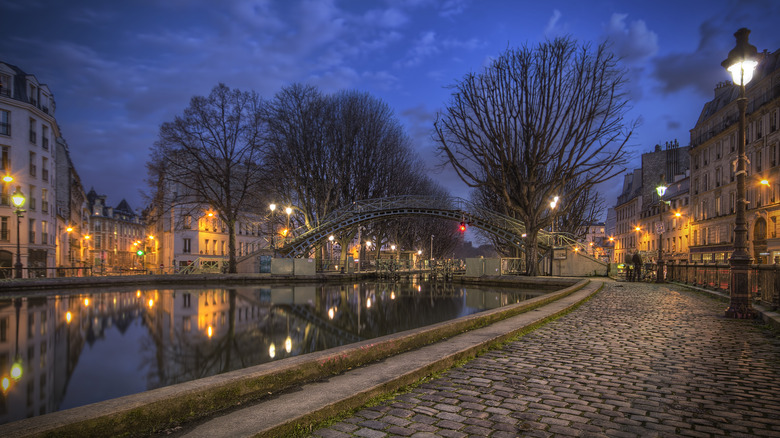
While the 19th arrondissement sparkles under daylight, local travel sources caution visitors that after sunset, certain areas can feel less safe. Around Place de la Bataille de Stalingrad and parts of the Canal Saint-Martin corridor, criminal activity — particularly robberies and drug-related issues — has historically been more common at night. Though there's a heightened police presence on weekend evenings, it's best to avoid the Stalingrad area (especially Rue de Flandre) late at night. Safer, livelier parts like La Villette are a better bet in the evenings.
Though some neighborhoods still grapple with unsavory elements, the risk often centers on begging or drug activity rather than violent crime, especially later at night. The picture that emerges is one of cautious contrast: a day-to-night shift from open-hearted Paris to some pockets that call for increased vigilance. If you plan to be out after dark, focus on well-lit, populated zones near major venues or along the canal, skip the Stalingrad–Crimée stretch, and follow Rick Steves' recommendations for exploring Paris at night.
Advice for travelers staying in the 19th arrondissement
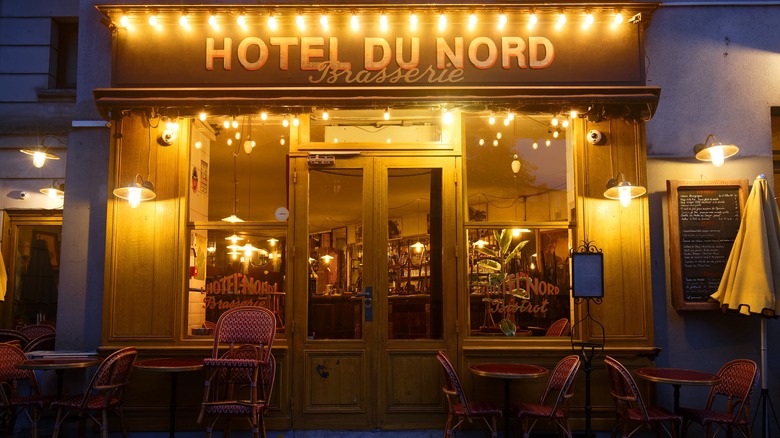
If you're planning to stay in the 19th, budget properties, including hostels and modest two-star hotels, can be found for about $72 per night. For those seeking a bit more comfort, most three-star hotels typically fall between $100 and $150 per night, offering solid value with reliable amenities. Upscale properties are still relatively accessible here compared to central Paris, with four-star options costing, on average, around $175.
For lodging that balances style with safety, south-central parts near Parc des Buttes-Chaumont or Canal de l'Ourcq are consistently praised. While some areas of the 19th arrondissement are a little unsafe at night, La Villette is absolutely fine. You'll find that the Buttes-Chaumont area makes for a beautiful and cozy stay. When navigating after dark, stick to well-lit streets, head toward lively canalside cafés or venues, and keep your valuables shielded. Transit often runs until late — Métro Line 5, which links the district to central Paris, generally runs until about 1:30 a.m. on weekdays and until around 2:15 a.m. on Friday and Saturday nights. If returning to your hotel later, keep in mind that taking a taxi can get pricey.
Every major city comes with its own set of risks, but that shouldn't keep you from exploring. Paris' 19th is a dynamic mix of art, architecture, and urban charm — best explored with a native's curiosity by day and a careful traveler's instincts by night. Visiting the City of Lights for the first time? Consider these charming Parisian neighborhoods for peace of mind.