

One Of Europe's Most Overlooked Destinations Is Actually Sweden's Second-Largest City
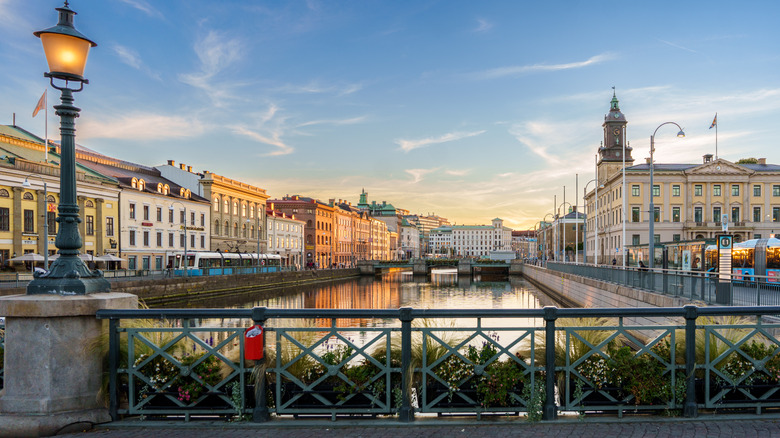
Overtourism is an upsetting travel nuisance spreading across Europe. To help ease the strain, travelers can seek out lesser visited places. In doing so, they're usually rewarded with a more authentic experience. Think fewer international chain restaurants and more exposure to regional customs. However, you don't need to venture into remote corners to explore popular European countries without crowds, and getting off the beaten tourist track can make for the most rewarding travel experiences. For example, instead of Sweden's capital city of Stockholm, head to the often-overlooked Gothenburg. This city has a proud history and not shortage of things to do year-round.
Gothenburg (Göteborg) is Sweden's second largest city. It may look far away from Stockholm, but this coastal gem is easily accessible thanks to an international airport and multiple train lines connecting it with other cities large and small. While Gothenburg has all the maritime culture and seafood cuisine for which the country is known, its bohemian vibe makes it stand out. Gothenburg combines a Nordic past with a vibrant present. Museums show what life was like in past centuries while maximalist shops and restaurants make the city feel like a free-spirited playground. Plus, diverse park areas ensure that nature is never too far away.
Explore Gothenburg's culture through historic buildings and art
A visit to Gothenburg isn't complete without taking in its history and culture, and a great place to start is the Gothenburg City Museum rising above one of the city's picturesque canals. Inside you'll find Viking era relics, religious items, and prehistoric artifacts. Given that Sweden is the most family-friendly country in Europe, a huge section of the City Museum features exhibits catered toward kids.
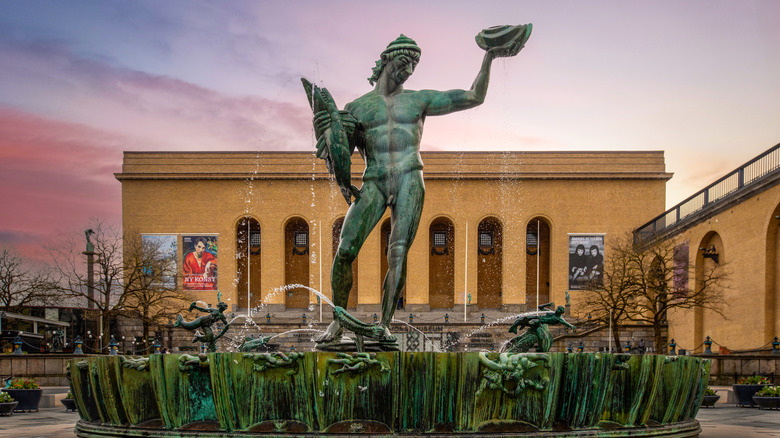
Next, head to Götaplatsen, a cultural square along the main avenue, Avenyn. Here, you'll find Gothenburg's Concert Hall, City Theatre, and the Museum of Art, which houses centuries of works from Nordic artists. The Poseidon statue in front of the building will naturally draw you to the museum. As the Greek god of the sea, this mythical figure is fitting for a country so steeped in maritime glory, and sculpted for Gothenburg's 300-year anniversary in 1923.
One of the most interesting parts of Gothenburg is its Haga District, a part of town dating back to the 1600s. The colorful historic buildings are filled with shops selling one-of-a-kind items from antiques to ceramics. Plenty of these finds are small enough to pack in your suitcase — just make sure to remember Rick Steves' philosophy on shopping for souvenirs in Europe. But you won't just find travelers exploring Haga. Locals enjoy it too, offering you a glimpse into daily life in Gothenburg.
Enjoy fresh seafood and learn the art of fika in Gothenburg
As an archipelago on the North Sea, seafood is a staple of Gothenburg's cuisine. Feskekörka is a beautiful waterfront place to try some for yourself. A seafood market has been in this unique building since 1874, as shown by an intriguing photo slideshow inside. Feskekörka still operates as a market, but also has a restaurant section serving up anything from street food to local delicacies. Watch the fishmongers work their booths or dine outside right along the water.
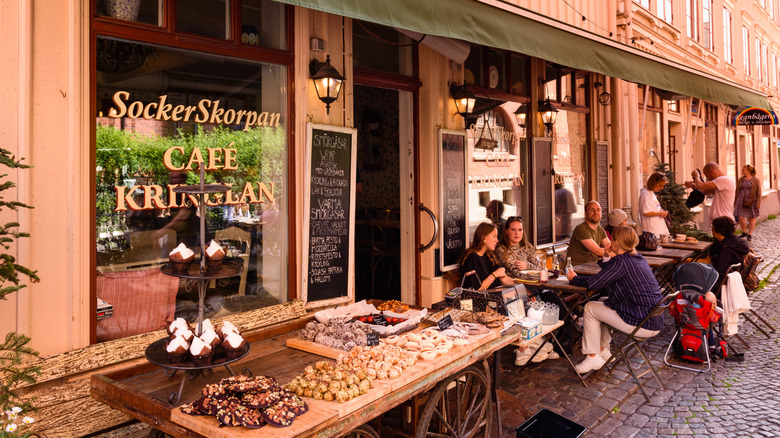
Before sitting down for any of the amazing gastro experiences in Gothenburg, make time for the beloved and practically mandatory part of the day known as "fika." The Swedish version of afternoon tea or a coffee break, Swedes hold fika in high regard as it is meant to be a moment of relaxation and quality time with friends. Fika usually includes a pastry snack as well. A local favorite fika spot is Kafé Magasinet. This plant-filled hideaway in Haga stays lively even past the usual fika hours (usually 10 a.m. and 3 p.m.) Trendy atmosphere aside, almost everything on the menu is climate-consciously organic — from the espresso to the pizza.
Find both cultivated and natural green spaces in Gothenburg
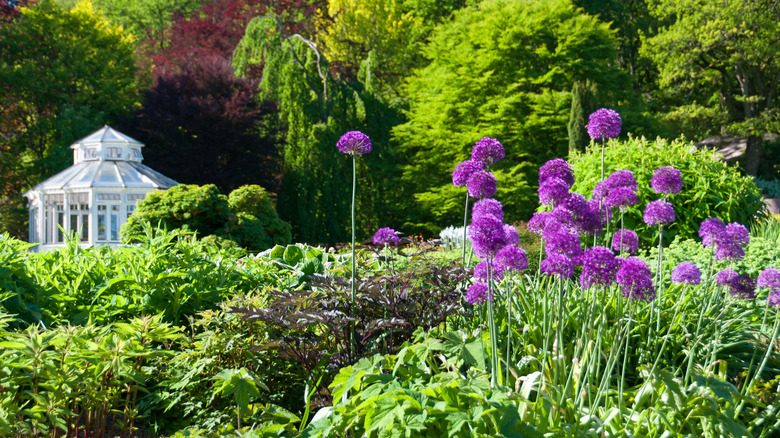
Gothenburg's green spaces help the city strike a balance between concrete jungle and relaxing escape. Families of all ages will be in awe at the Gothenburg Botanical Garden. Here, you'll pass by waterfalls, flowers of all colors, and plants from as far away as Japan and South Africa. The nature continues along the Änggårdsbergen Trail, which starts just south of these gardens and leads to lakes surrounded by forests of pine, oak, and birch trees.
Across the street from the Gothenburg Botanical Garden is Slottsskogen, a huge park area with a labyrinth, scenic overlooks, and ponds. The adorable Café Björngårdsvillan is right in the middle of the park. Stop here for lunch, brunch, or fika, but only on weekends from 11:00 a.m. to 4:00 p.m. Don't worry if you're planning to visit outside these hours, as Slottsskogen is great for picnicking too. With Gothenburg's mild summers and snowy winters, these parks and natural landscapes are beautiful at any time of year. But if the weather isn't great, duck into the Gothenburg Museum of Natural History at Slottsskogen's northeast corner. What makes this museum special is its collect of massive taxidermy animals, prehistoric fossils, and in-depth look at ocean biodiversity.