

The Upsetting Reason You May Want To Avoid South Carolina's Bee City Zoo
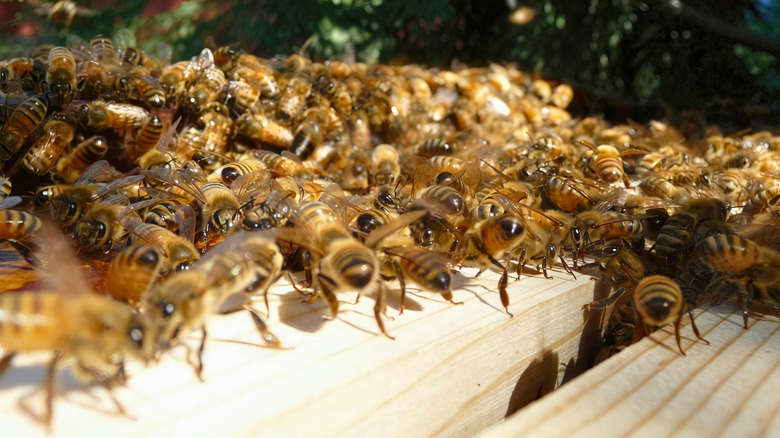
Bee City Zoo in Cottageville, South Carolina, has long marketed itself as an ideal place for family visits — a small-town attraction including hands-on animal experiences, a petting zoo, and a full honeybee farm. Although it seems like a place where families who are obsessed with animals can visit to enjoy themselves, visitors have expressed concerns over the zoo's animal welfare standards. Concerns such as inadequate enclosures, visible distress among animals, and unclear veterinary care practices have been raised by visitors and animal welfare groups alike.
Bee City Zoo opened over 30 years ago, and its current owner and his wife bought it from his parents and assumed ownership in 2011. The zoo features many exotic animals, including lemurs, tigers, giraffes, and sloths. It serves its community through education with a focus on interaction — guests, especially children, have the chance to feed the animals while they learn about them. The zoo also has a café and sells honey products it sources from bees kept on the property.
But visitors' experiences with the zoo have been mixed. According to online reviews, some of the animal enclosures look cramped and poorly maintained. Visitors have occasionally reported seeing animals pacing, which is a behavior that signals stress and captivity boredom. In general, anyone concerned with animal welfare should think twice before visiting a zoo on vacation, but it is important to remember that while Bee City Zoo has some negative reviews, the zoo overall has positive marks on Tripadvisor and TrustReviewers with an average rating of 4.4 stars and 5 stars, respectively. The zoo also won a Traveler's Choice award on Tripadvisor and meets that site's animal welfare guidelines.
Why you may want to avoid South Carolina's Bee City Zoo

Despite all the positive reviews that Bee City Zoo has gotten, some negative reviews point to troubling evidence of neglect and stress. On TrustReviewers, some reviewers claimed to have seen animals confined to small, ill-equipped enclosures. One reviewer focused on the snow leopard, saying, "Why on earth a small little 'zoo' like this would have a snow leopard is beyond me. I felt so sad for this beautiful creature, as he/she lay in the corner of his empty, small, mulch covered enclosure." Others pointed out that animals such as lemurs are being kept in conditions that look both unsuitable and uncomfortable for their size and behavior. "I don't like that are locked up in tiny cages, with several others, where they barely have any room to move," one visitor said. Many visitors said the animals seem lonely and isolated. One visitor on Reddit wrote, "Very small cages and all mud – no grass and barely any hay for the animals to stay dry. They have a tiger all by itself in a tiny enclosure. Also, a camel and giraffe totally alone."
The zoo also offers a range of paid animal encounters, including opportunities to hold, feed, or even take photos with exotic creatures. Although these activities are marketed as educational, animal rights advocates and researchers warn that frequent handling can cause stress and discomfort for animals not meant for close human contact. Bee City Zoo relies on ticket sales, café income, retail from its honey farm, and encounter fees to remain profitable. To some reviewers, it seems that Bee City Zoo prioritizes profit over the welfare of the animals. Some reviewers on Tripadvisor and TrustReviewers pointed out that some of the zoo's animals are for sale, which goes against the ethical standards of most zoos.
What to do before visiting the zoo
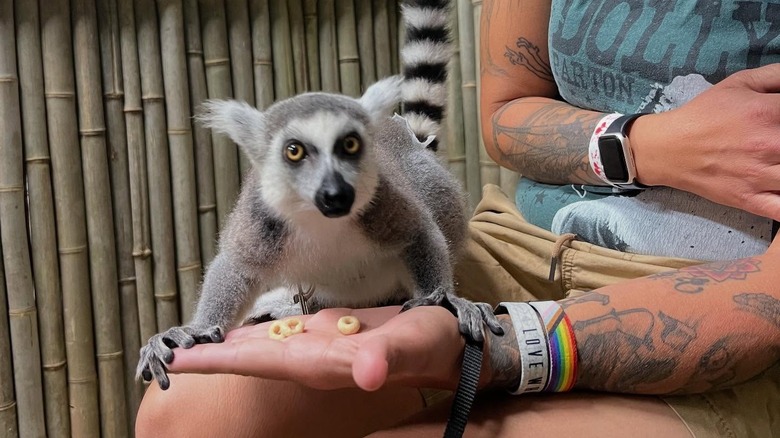
The controversy that surrounds Bee City Zoo makes clear the need to regulate how small animal attractions operate. Although many privately run zoos might be run with good intentions, their lack of consistent oversight and enforced standards of care either leads to animal neglect or creates unsafe environments for the animals. Regardless of how zoos like Bee City operate, it's imperative to remember that visitors play a key role in demanding accountability. Before visiting any zoo, check whether it's accredited by the Association of Zoos and Aquariums (AZA). Accreditation ensures that zoos meet standards for animal welfare, care, and management, including nutrition, medical care, and proper staff training.
The case of Bee City Zoo highlights how social media may not be a good judge of ethics. What some might see as a nice family outing on Instagram or TikTok may, in fact, be something completely different behind the scenes. Many posts on Instagram and TikTok only focus on feeding animals or taking selfies with them. You will hardly see a video discussing welfare or conservation.
In the end, the question shouldn't be whether Bee City Zoo is a fun place to visit. It should be whether its visitors are willing to look beyond the fun sights and ask for higher standards for the animals they pay to see, whether they're exotic ring-tailed lemurs or commonly kept animals like parakeets or donkeys. And until better measures are taken, travelers might consider skipping Bee City Zoo in favor of accredited institutions that value animal well-being over entertainment. If you want to visit animals that are unquestionably being housed and cared for ethically, we recommend seeking out these awesome farm animal sanctuaries around the U.S.