

What It Means When Your Boarding Pass Has The Code 'SEQ 001' And Why It's So Special
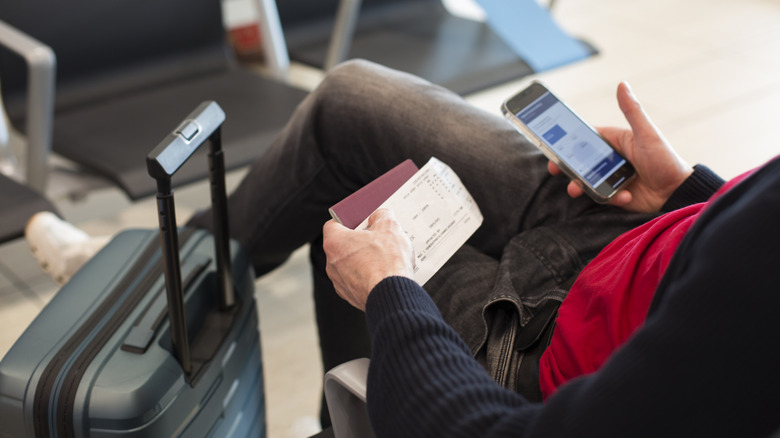
Your airline boarding pass holds a wealth of information, communicating so much more than just your flight number and boarding times. From which fare class you booked to indicating how long the layover is at your next airport, that simple document is an important resource — so much so that a TSA agent will immediately know quite a bit about you just by consulting your boarding pass. That's why you need to be careful when getting rid of your boarding pass — it can actually give data away that you don't want out in the world. However, learning the codes for yourself is a useful travel skill and can reveal where you stand among other passengers for your flight. And an important and helpful detail is understanding your sequence number.
If you're someone who you likes to check in for your flight as soon possible, it's likely you've seen the code "SEQ 001" or some variation of that on your boarding pass when it's issued. At the same time, if you're someone who waits until the last minute to check in, or checks in at the airport directly, you've likely seen a higher number after those same letters. "SEQ" is short for "sequence," and the number you're assigned thereafter is the order in which you checked in for the flight. If you see a "001," that means you were the first passenger to check in. There's a number of reasons why you'd want to get that coveted first-in-sequence spot, including aviation geek bragging rights, but there are also safeguards against involuntary denied boarding with a "SEQ 001" on your boarding pass.
Why 'SEQ 001' is so special

Getting "SEQ 001" is more than just a flex (though many frequent flyers get a small thrill from it); it also ensures that you are secure on your flight. If the flight is oversold and the airline can't find volunteers to give up their seats, you — as the first in line to have checked in — will typically not be chosen to be bumped from the flight. The higher your sequence and the later you check in, the more at risk you are of being involuntarily removed from the flight if the situation necessitates it. The moral of the story here is that there is a benefit for promptly checking in. Of course, other factors, like fare class and how much you paid for your ticket, may also factor in who gets denied boarding in an oversold situation, but check-in order seems to bear a particular sort of weight in the decision-making process.
That said, you're not entirely without recourse if you find yourself far away from that secure "SEQ 001" spot. If you're denied boarding due to an oversold flight, you are generally entitled to compensation as outlined by the U.S. Department of Transportation. Depending on the price you paid for the ticket and the amount of time you're delayed to your destination, the compensation you're owed may vary. Shorter delays may amount to double the price for the ticket, while longer delays can reap as much as four times the price of the original fare.