

Hiking To This Beach In Costa Rica Rewards Visitors With Stunning, Caribbean-Like Waters
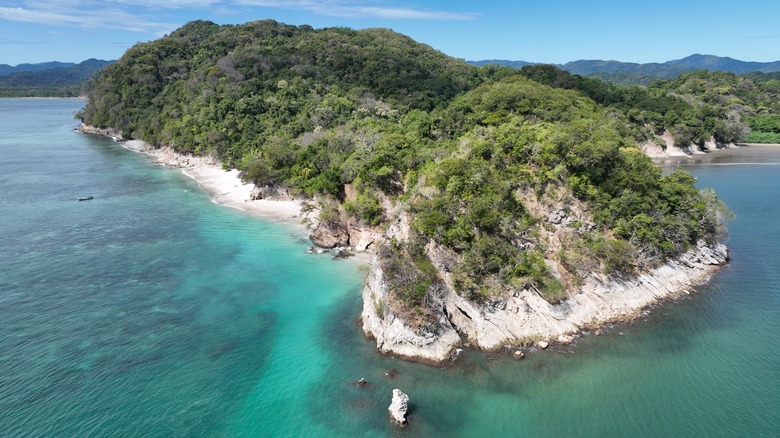
Located in the Curú National Wildlife Refuge, Playa Quesera is Costa Rica's first private national wildlife refuge and sits on the southern end of the Nicoya Peninsula, which juts into the Pacific Ocean. Though small, covering only 207 acres, the refuge and farm is known for its tropical fruits, plentiful wildlife (including a lot of monkeys), and, most importantly, hidden beaches. Playa Quesera is considered one of Costa Rica's most beautiful beaches.
Places like the Curú National Wildlife Refuge are rarely easy to access. The drive from San José's Juan Santamaría International Airport (SJO), Costa Rica's main airport, takes a minimum of four hours, including at least 70 minutes on the ferry that connects Paquera and Puntarenas. Liberia International Airport (LIR), the gateway to Costa Rica's Pacific coast, is only a three-hour drive, though fewer, more expensive flights land here. Either way, you should be prepared for a long road trip.
There is no quick way to reach Playa Quesera. A boat transfer has set times and multiple fees, while a kayak rental is dependent on the choppiness of the sea, and a hike will take at least two hours in each direction. It's a tough choice. Though hiking is the longest option, it's also the best one as you'll be rewarded with gorgeous views of the turquoise water along the way.
Hike through the Curú National Wildlife Refuge
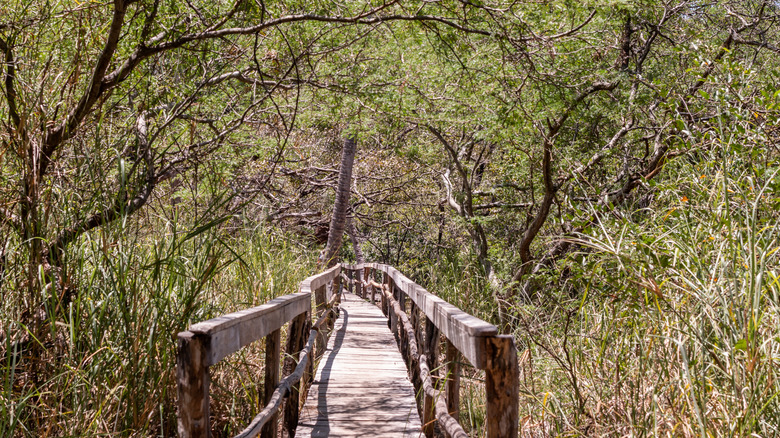
The trail to Playa Quesera is near the visitor center of the Curú National Wildlife Refuge (admission is $17 for adults and $9 for children). It starts near Playa Curú, the wildlife refuge's main beach, where you might see colorful, polka-dotted crabs shuffling across the golden sand. This is also where the boat and kayak tours begin. Though it is tempting to head straight to the water, you are heading inland, at least briefly, to find an even prettier beach.
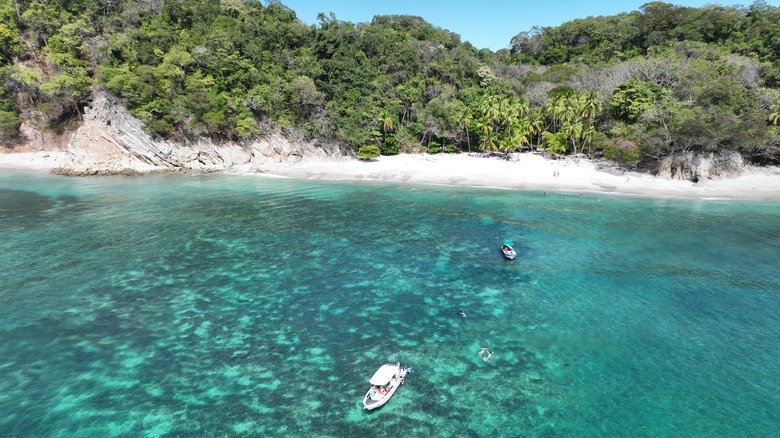
You will start by crossing a wooden bridge that is surrounded by mangroves. Do not be surprised if a coati (an animal similar to a raccoon but with a longer tail and snout) darts in front of you. You could hear howler monkeys in the trees above as well. The trail continues up into the forest and through an open meadow before starting to descend to the beach. The trail is 4 miles long, and the sun is relentless. Playa Quesera is breathtaking and worth the sweat it takes to get there. You'll find fine, white sand and clear, shallow water perfect for swimming and lounging in the shade of palm trees. Even better, the beach is typically deserted and you'll feel like you've stepped onto a private island.
Where to stay near Playa Quesera
Unfortunately, this idyllic little spot comes with an expiration. Day guests must leave the Curú National Wildlife Refuge at 4 p.m., and you should give yourself at least a few hours for the return hike. But for a lucky few, it is possible to overnight. The wildlife refuge has six rustic cabins that have decks with ocean views and shared bathrooms. You can also prebook meals so you don't have to worry about cooking. Best of all, by sleeping at the wildlife refuge, you can join the evening bioluminescence tour (adults $60) and watch the Bahía de Curú light up with glowing plankton.
If all of the cabins are booked, there are plenty of other beachfront places to stay on the Nicoya Peninsula. Playa Coyote, on the west coast, is a two-hour drive from the Curú National Wildlife Refuge. The remote beach is one of the country's best for a tranquil getaway. Even farther north, you'll find Nosara, a budget-friendly Costa Rican surf town with a laid-back vibe and perfect waves. Both have long beaches and incredible sunsets.